Dermadent Clinic Udaipur
Root canal treatment in Udaipur at Dermadent Clinic
RELIEVE PAIN. SAVE THE NATURAL TOOTH.

Root Canal Treatment in Udaipur

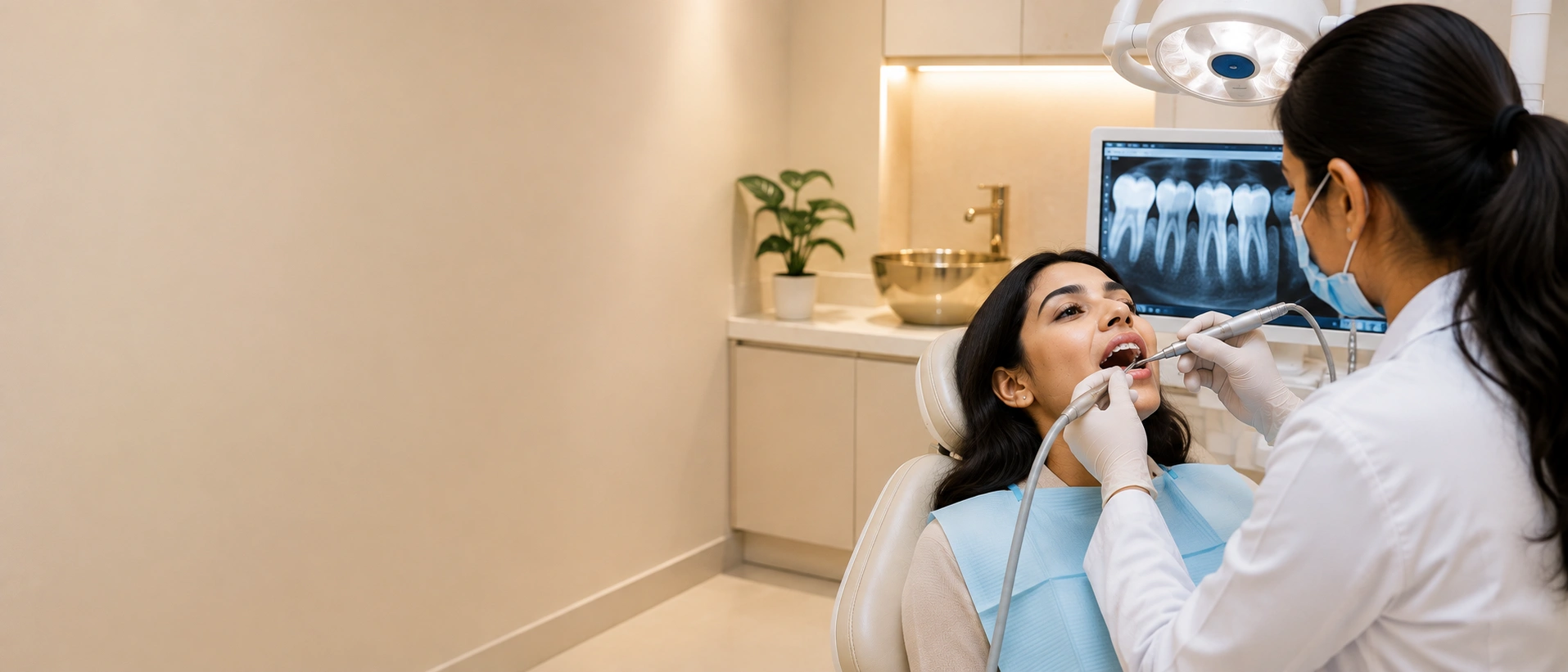
Root canal treatment in Udaipur for infected, inflamed or severely damaged teeth, planned after clinical and radiographic assessment to remove infection, preserve the natural tooth and restore comfortable function.

Diagnosis-Led Planning

Symptoms, tooth vitality and dental imaging guide the root canal treatment plan

Tooth-Preservation Focus

Treatment is planned to preserve a restorable natural tooth whenever clinically appropriate

Canal Cleaning & Disinfection

The infected or inflamed pulp space is cleaned, shaped and disinfected before sealing

Restoration & Follow-Up

Final restoration, bite and healing are reviewed after root canal treatment

ROOT CANAL TREATMENT & TOOTH RESTORATION

Saving an Infected Tooth with Diagnosis-First Endodontic Care

Root canal treatment removes infected or inflamed pulp from inside a tooth. The canals are cleaned, disinfected, shaped and sealed, followed by an appropriate restoration to protect the tooth and restore function.

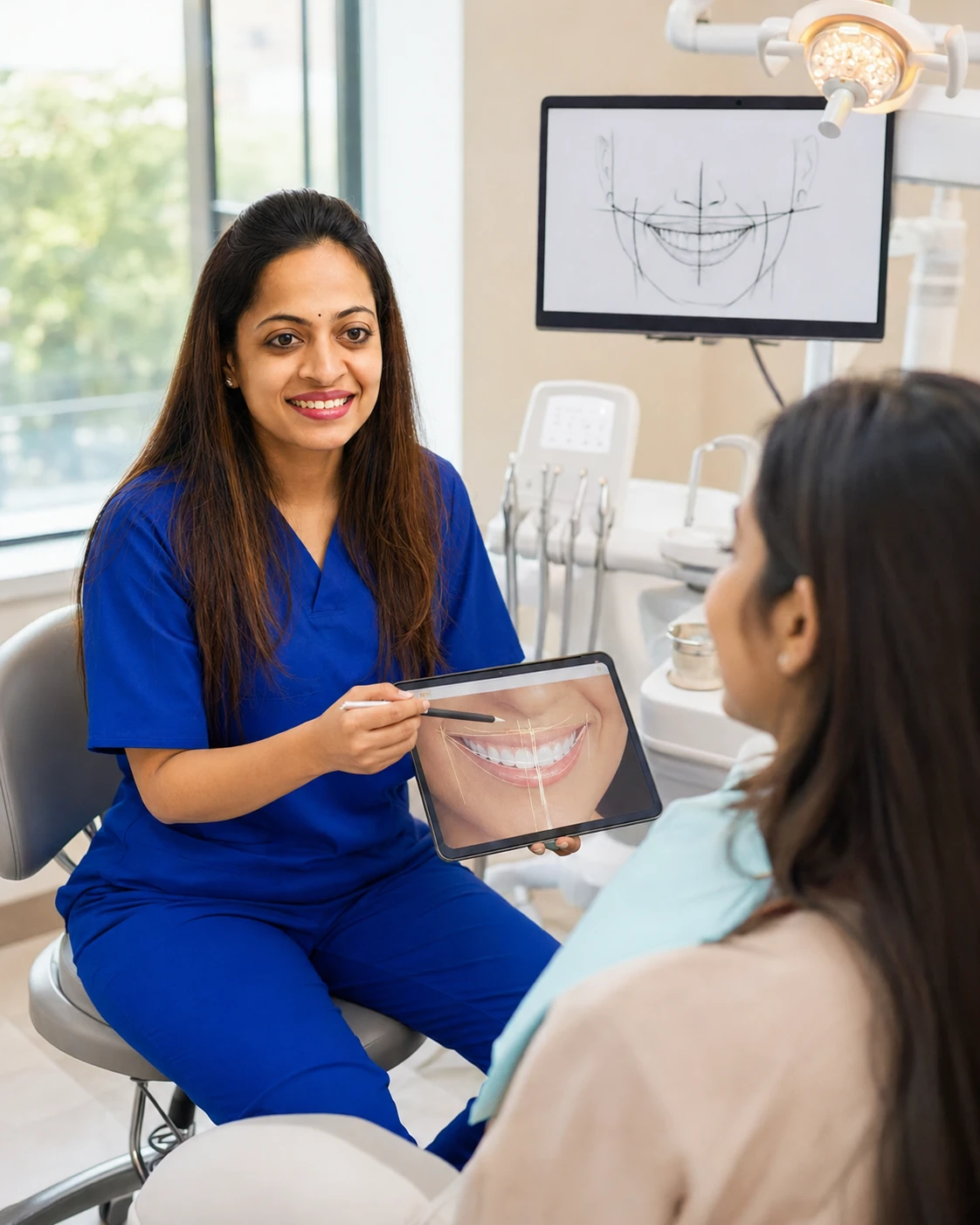
Root canal treatment procedure and consultation at Dermadent Clinic Udaipur

Root Canal Therapy

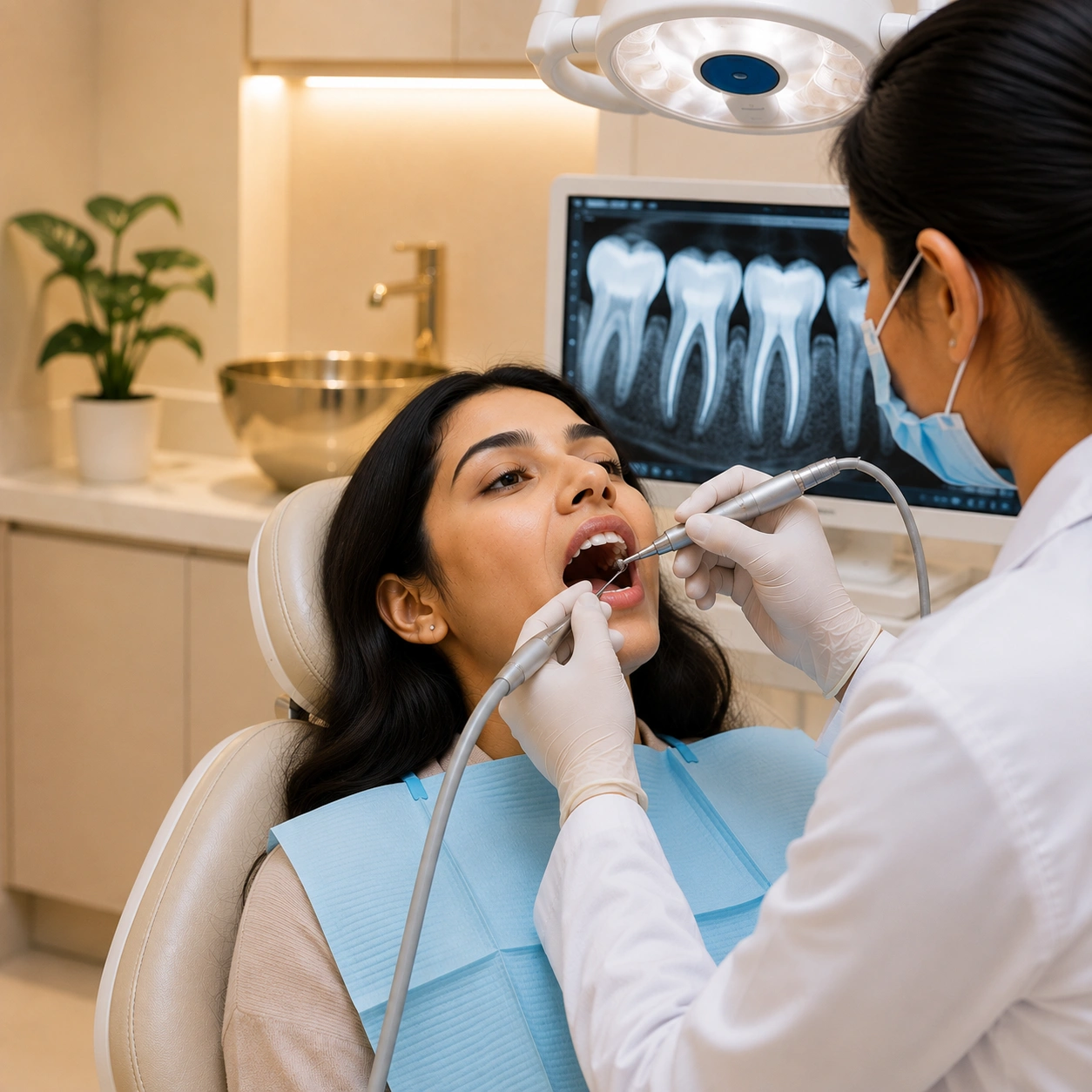
Root canal therapy may be recommended when the dental pulp is irreversibly inflamed or infected due to deep decay, cracks, trauma or previous dental treatment.

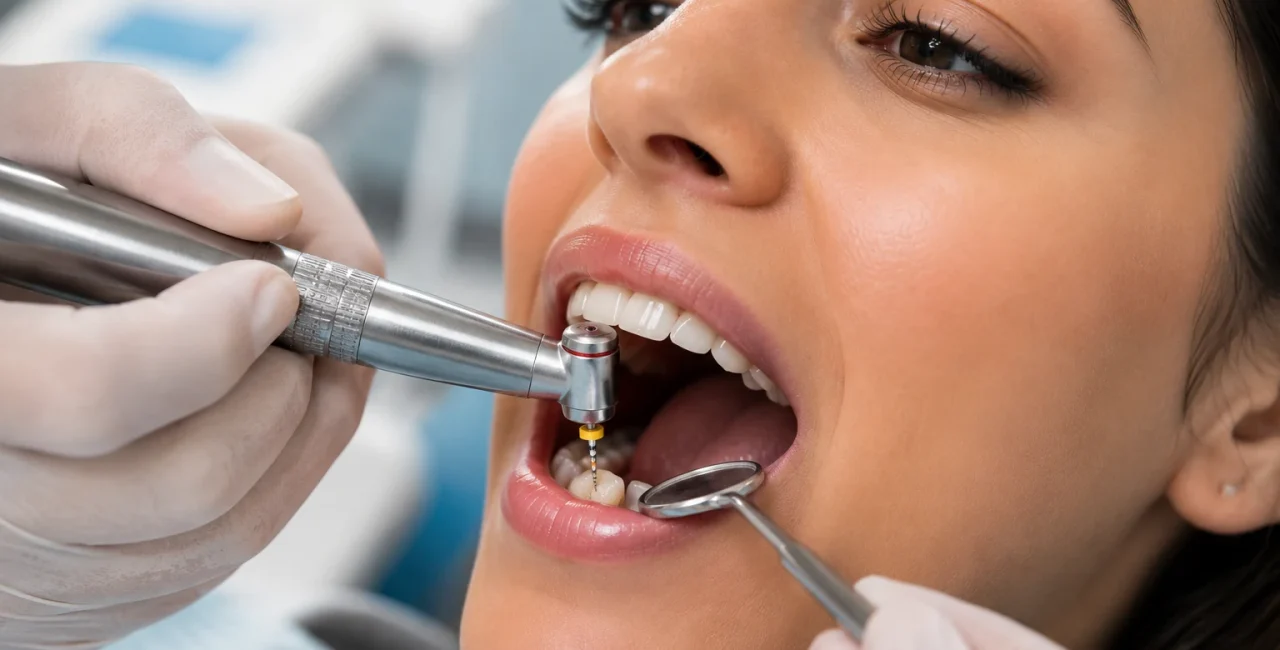
Root canal treatment procedure and consultation at Dermadent Clinic Udaipur

Root Canal Retreatment

A previously root-canal-treated tooth with persistent symptoms or recurrent infection may need reassessment and, in selected cases, retreatment.

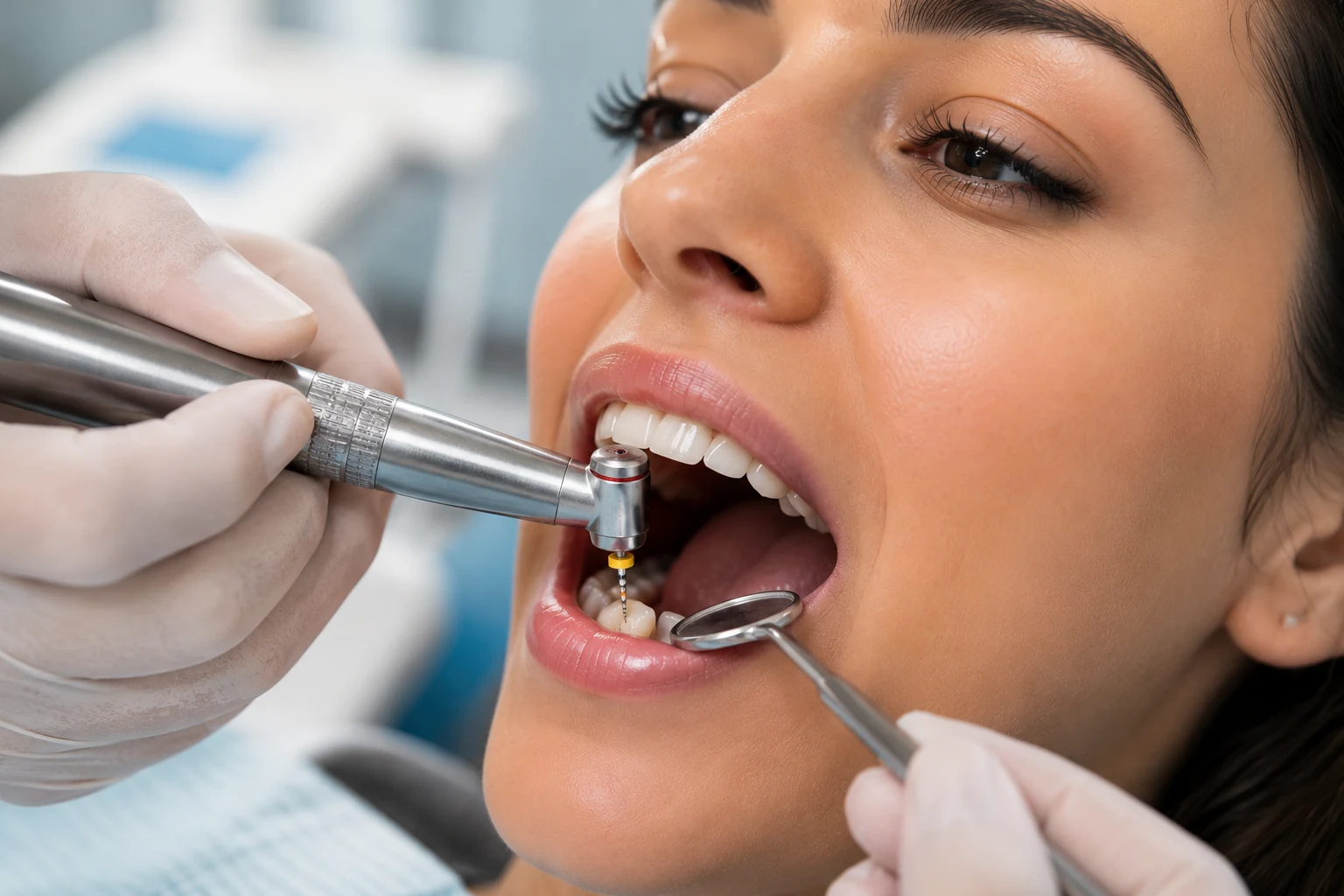
Root canal treatment procedure and consultation at Dermadent Clinic Udaipur

Dental Pain & Infection Assessment

Severe toothache, prolonged sensitivity, swelling or tenderness is assessed to identify whether the pulp, root or surrounding tissues are involved.

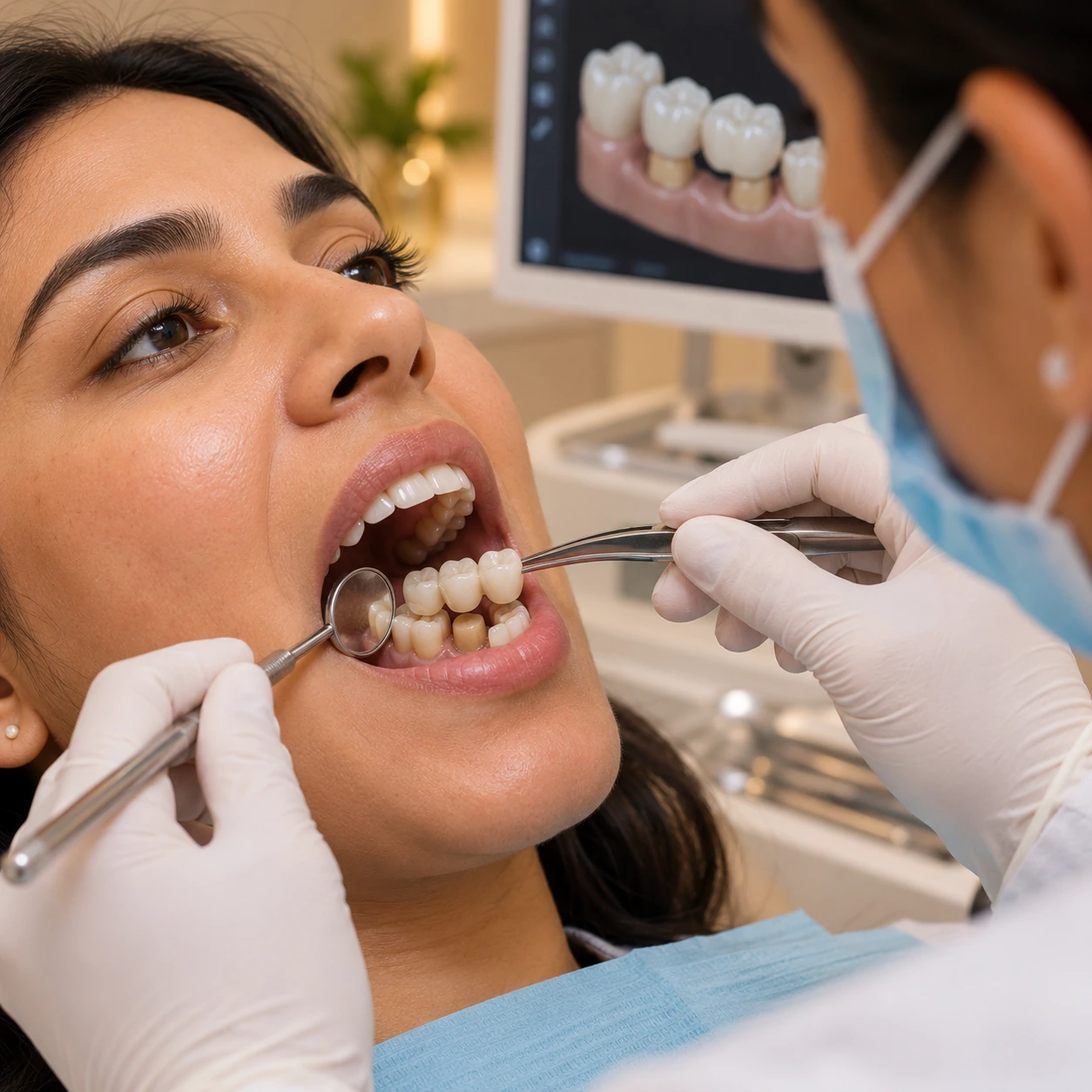
Dental crowns and bridges restorative treatment at Dermadent Clinic Udaipur

Post-RCT Crown Restoration

Many back teeth need a protective crown or other definitive restoration after root canal treatment, depending on remaining tooth structure and bite forces.

Root canal treatment procedure and consultation at Dermadent Clinic Udaipur

Follow-Up & Tooth Review

The treated tooth, surrounding tissues, bite and final restoration are reviewed to support long-term function.

Dental Consultation
0 :1
Structured Root Canal Path
0 Steps
Individual Tooth Plan
0
Maintenance Framework
0
Root canal treatment procedure and consultation at Dermadent Clinic Udaipur
WHY CHOOSE DERMADENT

Root Canal Planning Focused on Tooth Preservation & Function

Clinical & X-Ray Assessment

Symptoms, tooth structure, pulp status and surrounding tissues are assessed before treatment

Restorability Review

Remaining tooth structure and periodontal support are checked before deciding to preserve the tooth

Canal Anatomy Planning

Tooth anatomy and dental imaging help guide cleaning, shaping and sealing of the root canals

Comfort-Focused Care

Local anaesthesia and tooth isolation are used as clinically appropriate during treatment

Final Restoration Planning

A permanent filling, onlay or crown is planned according to remaining tooth structure and bite

Review & Maintenance

Healing, symptoms, bite and the final restoration are reviewed as part of ongoing dental care

BEFORE TREATMENT

Diagnosis Comes Before Root Canal Treatment

We assess symptoms, decay, cracks, previous restorations, tooth vitality, gum condition, bite and dental imaging before deciding whether root canal treatment is required.

Root canal treatment procedure and consultation at Dermadent Clinic Udaipur
Clinical examination and pain history
Dental X-ray and pulp assessment
Crack, decay and restorability review
Gum and supporting-tissue assessment
Bite and final restoration planning
SUITABILITY

Do You Need Root Canal Treatment?

Root canal treatment may be considered for a tooth with irreversible pulp inflammation, infection, deep decay, trauma or selected cracks when the tooth remains restorable.

Deep decay or a large restoration affecting the pulp
Persistent symptoms with diagnosed irreversible pulp inflammation
Pulp infection or infection around the root tip
A damaged tooth that remains predictably restorable

A tooth that cannot be predictably restored, has severe structural damage or has insufficient support may require a different treatment plan. Diagnosis determines the appropriate option.

THE TREATMENT

How Root Canal Treatment Is Planned

Treatment generally includes diagnosis and imaging, local anaesthesia, access to the pulp chamber, cleaning and shaping of the canals, disinfection, sealing and a final restoration. The exact sequence varies by tooth and infection.

WHAT TO EXPECT

Root Canal Treatment & Recovery Timeline

The number of visits depends on the tooth, canal anatomy, infection and restorative needs. Mild tenderness after treatment can occur temporarily; follow-up and the final restoration are important parts of care.

Typical StageWhat to Expect
Assessment & diagnosisSymptoms, tooth structure, pulp status and dental imaging are reviewed before treatment is recommended.
Root canal procedureThe tooth is numbed and isolated; the canals are cleaned, shaped, disinfected and sealed. The number of visits varies by tooth and infection.
Early recoveryTemporary tenderness can occur. Follow the dentist's instructions and avoid heavy biting if a temporary restoration is present.
Final restoration & reviewA definitive filling, onlay or crown is completed when indicated, followed by review of symptoms, bite and tooth function.
AFTERCARE & MAINTENANCE

Caring for a Tooth After Root Canal Treatment

Follow the dentist’s instructions, maintain regular brushing and interdental cleaning, and avoid excessive chewing on a temporarily restored tooth until definitive restoration is completed.

Brush and clean between teeth as advised
Avoid heavy biting on a temporary restoration
Complete the final restoration or crown when advised
Attend follow-up and report increasing pain or swelling

Contact the clinic if pain or swelling increases, the temporary filling is lost, the bite feels significantly high, or symptoms do not settle as expected.

REALISTIC EXPECTATIONS

Potential Benefits, Limits & Root Canal Considerations

Root canal treatment can preserve many infected natural teeth and relieve symptoms related to pulp disease, but treatment success depends on diagnosis, tooth structure, canal anatomy, final restoration and ongoing oral care.

CategoryDetails
Potential benefitsPreserve a restorable natural tooth, manage disease within the pulp space, reduce infection-related symptoms and restore function with an appropriate final restoration.
Important considerationsOutcome depends on diagnosis, canal anatomy, remaining tooth structure, final restoration and ongoing oral care. Persistent or recurrent disease can require reassessment or retreatment.
FREQUENTLY ASKED QUESTIONS

Root Canal Treatment FAQs

Local anaesthesia is commonly used during treatment. Some tenderness can occur afterward, and the dentist will advise you about appropriate aftercare.

The number of visits varies with the tooth, canal anatomy, infection and restorative needs. Some teeth may be completed in one visit, while others need more than one appointment.

Not every tooth needs a crown. The final restoration depends on the tooth position, remaining structure and bite. Many back teeth may benefit from additional cuspal protection.

Follow the dentist’s instructions, avoid chewing until numbness has worn off and protect any temporary restoration. Complete the definitive restoration when advised.

Persistent or recurrent infection can occur in some cases. New pain, swelling or changes around the tooth should be assessed so retreatment or another option can be considered when appropriate.

KNOWLEDGE CENTER

Root Canal & Tooth Care Tips

VISIT DERMADENT

Root Canal Consultation in Udaipur

Dermadent Clinic, Udaipur offers root canal consultation with clinical assessment and dental imaging, followed by individual endodontic and restorative planning.