
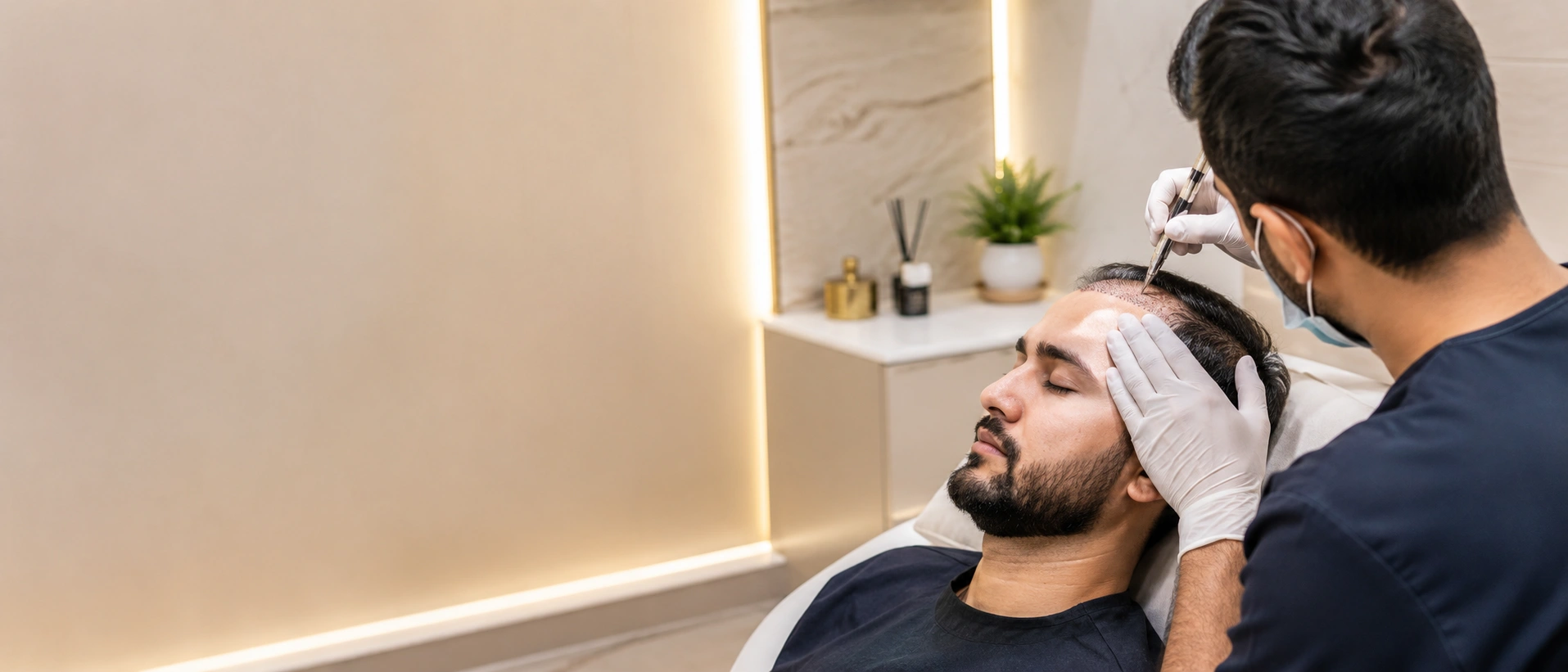
Hair Transplant Aftercare: What to Do During the First 30 Days
The first month after a hair transplant is an important healing period. The transplanted follicles need protection while the scalp recovers from extraction and implantation. Most patients are eager to know when they can wash normally, exercise, sleep in their usual position, wear a cap or return to work. The exact instructions can vary according to technique and surgeon, but the same principles apply: protect the grafts, keep the scalp clean, avoid unnecessary trauma and follow the clinic’s written instructions carefully.
If you have undergone or are planning a hair transplant in Udaipur, it helps to understand what is normal during recovery. Redness, crusting, mild swelling and later shedding of the transplanted hair shafts can all occur without meaning the procedure has failed. The final result develops over many months, not during the first few weeks.
Why Aftercare Matters
During a transplant, follicular units are placed into tiny recipient sites. In the first days, the grafts are vulnerable to rubbing, scratching and accidental trauma. As healing progresses, the follicles become more secure. Good aftercare also helps reduce crusting, irritation and infection risk.
First 24 Hours
The scalp may feel tender, tight or mildly numb. Small red dots can be visible in the donor and recipient zones. Patients are usually advised not to touch the transplanted area unnecessarily. Sleeping with the head elevated may reduce swelling, especially when the frontal hairline has been treated.
Take only medicines prescribed or approved by the treating doctor. Do not add aspirin, painkillers, supplements or herbal products without checking, because some can affect bleeding or interact with medication.
Days 2–3: Protect the Grafts
These are still early healing days. Avoid scratching, rubbing or directing strong water pressure onto the grafts. Clinics often give a specific washing method involving gentle application of cleanser or foam and careful rinsing. Follow the technique you were shown rather than improvising.
Mild forehead swelling can occur and may move downward around the eyes because of gravity. Contact the clinic if swelling is severe, painful, one-sided or associated with fever or visual symptoms.
Days 4–7: Crusting and Gentle Washing
Small crusts commonly form around transplanted hairs. They should not be picked with fingernails. With correct washing, crusts gradually soften and loosen. Scraping them too early can irritate the scalp and potentially disturb healing grafts.
The donor region may feel itchy as it heals. Gentle cleansing is usually preferable to scratching. If itching is intense, ask the clinic what can safely be used.
Days 7–10: Returning Toward Normal
By this stage, many grafts are more secure and visible crusting begins to decrease. Some clinics allow progressively firmer washing once the surgeon confirms healing is adequate. Redness may persist longer in people with fair or sensitive skin.
Many patients can return to office work within several days, depending on swelling, appearance and personal comfort. Jobs involving dust, helmets, heavy physical work or sun exposure may require more time or specific precautions.
Days 10–14: Crusts Usually Clear
Most crusts should be resolving. Do not continue aggressive rubbing merely to make the scalp look normal faster. The goal is safe healing, not cosmetic speed. The donor area may still show small extraction marks, but these generally become less noticeable as surrounding hair grows.
Weeks 2–4: Shedding Can Begin
One of the most alarming but expected events is shedding of transplanted hair shafts. Patients may think the grafts are falling out, but usually the visible shaft is being shed while the follicle remains in the scalp. New growth develops later as the follicle enters a new anagen phase.
This temporary shedding phase is often called “shock shedding.” Some nearby native hairs can also shed temporarily after surgery. Your surgeon can explain what is expected for your specific case.
30-Day Hair Transplant Recovery Table
| Time | What You May Notice | Main Aftercare Priority |
|---|---|---|
| Day 0–1 | Redness, tenderness, tiny crusts | Do not touch grafts; sleep elevated |
| Days 2–3 | Possible forehead swelling | Gentle washing; protect recipient area |
| Days 4–7 | Crusting and itching | Do not scratch or pick |
| Days 7–14 | Crusts loosen and appearance improves | Gradually normalize washing as instructed |
| Weeks 2–4 | Transplanted shafts may shed | Do not panic; follicles remain below skin |
| After one month | Scalp looks more normal | Follow long-term medical and hair-care plan |
How Should You Sleep?
Many surgeons recommend sleeping with the head elevated for the first few nights to limit swelling and prevent accidental pressure on the grafts. Use clean pillows and try to avoid direct rubbing of the recipient area. Once the clinic confirms the grafts are stable, normal sleeping positions can usually resume.
When Can You Wash Hair Normally?
The timing depends on the surgeon’s protocol. Early washing is usually gentle, while more normal washing is introduced gradually. Avoid strong shower pressure directly on the grafts until advised. Do not use harsh medicated shampoos, scrubs or chemical treatments unless specifically recommended.
Exercise After Hair Transplant
Heavy exercise can increase sweating, blood pressure and scalp irritation during the early healing period. Patients are commonly told to avoid strenuous workouts for several days or longer depending on the procedure. Light walking may be allowed earlier. Contact sports should be delayed because a direct blow to the scalp can traumatize healing areas.
When Can You Wear a Cap or Helmet?
A loose cap may be allowed after the surgeon confirms that it will not rub the grafts. Tight helmets, hard hats and motorcycle helmets can create pressure and friction, so patients whose jobs require them need specific advice before returning to work.
Sun Exposure
Freshly treated scalp skin is sensitive to ultraviolet radiation. Avoid prolonged direct sun during early healing and follow your surgeon’s advice regarding physical protection and sunscreen. A sunburn on a recently transplanted scalp can increase irritation and pigmentation changes.
Alcohol and Smoking
Clinics often advise avoiding alcohol around surgery because it can influence hydration, bleeding and medication use. Smoking can impair wound healing and blood supply. Follow the timing recommended by your surgeon.
Hair Styling and Chemical Treatments
Hair colour, bleach, straightening, keratin treatments and strong styling products should be postponed until the scalp has healed. Chemical irritation during the early recovery phase is unnecessary. Ask the clinic when your usual salon routine can safely resume.
When Does New Hair Grow?
Hair transplantation requires patience. After the initial shedding phase, early new growth may start around the third or fourth month. It is often fine and uneven at first. Density and calibre generally improve through months six to nine, and maturation can continue for a year or longer. Crown growth can be slower.
Warning Signs That Need Medical Review
- Increasing pain rather than gradual improvement.
- Pus, foul-smelling discharge or spreading redness.
- Fever or feeling systemically unwell.
- Severe swelling that does not improve.
- Persistent bleeding.
- Large areas of darkened skin or unusual wound changes.
These are not routine aftercare issues and should be reported promptly.
Do You Need PRP After a Hair Transplant?
Some clinics use PRP hair treatment as an adjunct, but it is not mandatory for every transplant patient. Protocols vary, and PRP should have a clear clinical purpose rather than being added automatically.
What About Minoxidil?
Minoxidil may be recommended to support native hair, but topical treatment is usually restarted only after the scalp has healed sufficiently. Do not restart it on your own immediately after surgery. Read our minoxidil guide for general information.
Long-Term Care After the First Month
A transplant redistributes donor follicles but does not stop future thinning of untreated native hair. Patients with pattern hair loss may still need medical management. Long-term photographs, follow-up visits and scalp assessment help monitor progression.
The American Academy of Dermatology provides general information about hair transplantation and other hair-loss treatments through its hair-loss treatment resources.
Frequently Asked Questions
What happens if I accidentally touch a graft?
A light accidental touch does not always damage a graft, but forceful rubbing or scratching in the first days can. Contact your clinic if there was bleeding or obvious displacement.
Is transplanted hair shedding normal?
Yes. Shedding of the transplanted shaft during the first weeks is common and does not necessarily mean the follicle is lost.
Can I sleep on my side?
Follow your surgeon’s specific instructions. Head elevation and avoiding pressure on the recipient area are commonly advised early on.
When can I go to the gym?
The timeline varies according to healing and exercise intensity. Your surgeon should clear strenuous activity.
Hair Transplant Follow-Up in Udaipur
Dermadent Clinic provides surgical planning, aftercare and follow-up for hair transplant in Udaipur. Patients should keep the clinic’s written postoperative instructions readily available during the first month and report anything that seems outside the expected recovery pattern.
This article provides general education and should not replace the postoperative instructions given by your own surgeon.