Dermadent Clinic Udaipur
CLEARER SKIN. CLINICAL WART CARE.

Warts Removal in Udaipur

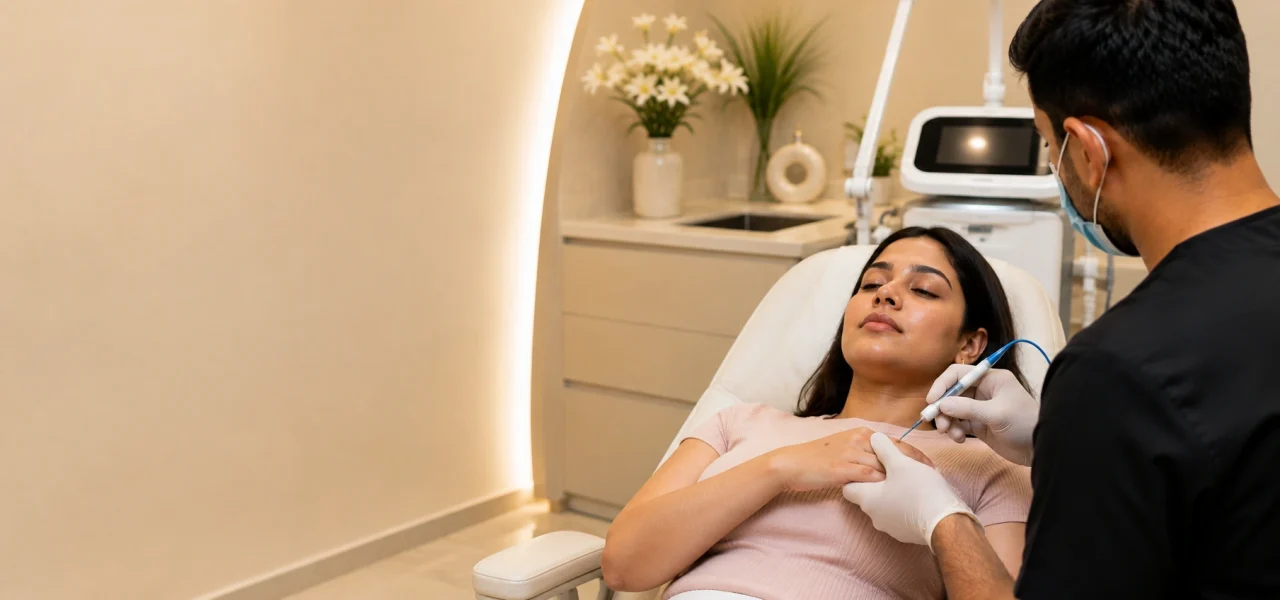
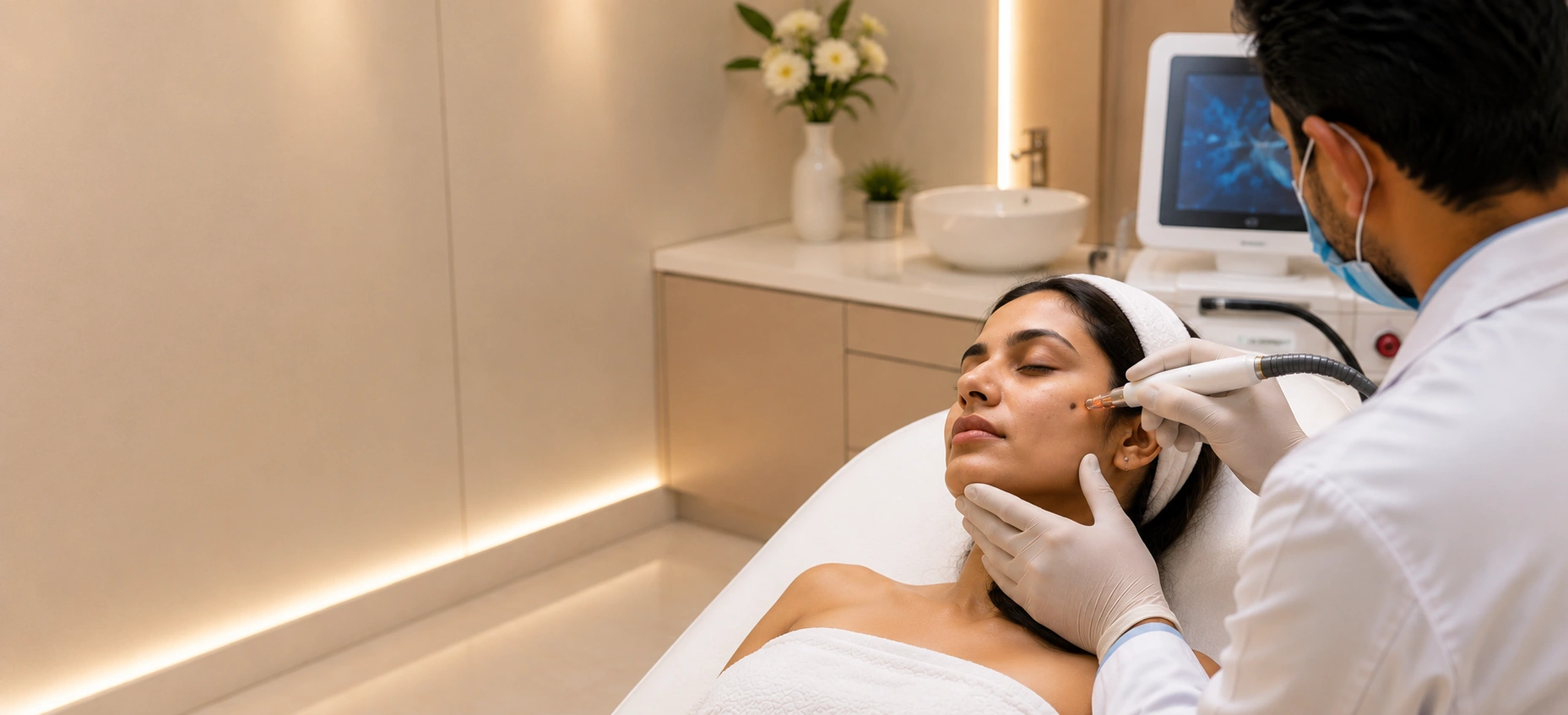
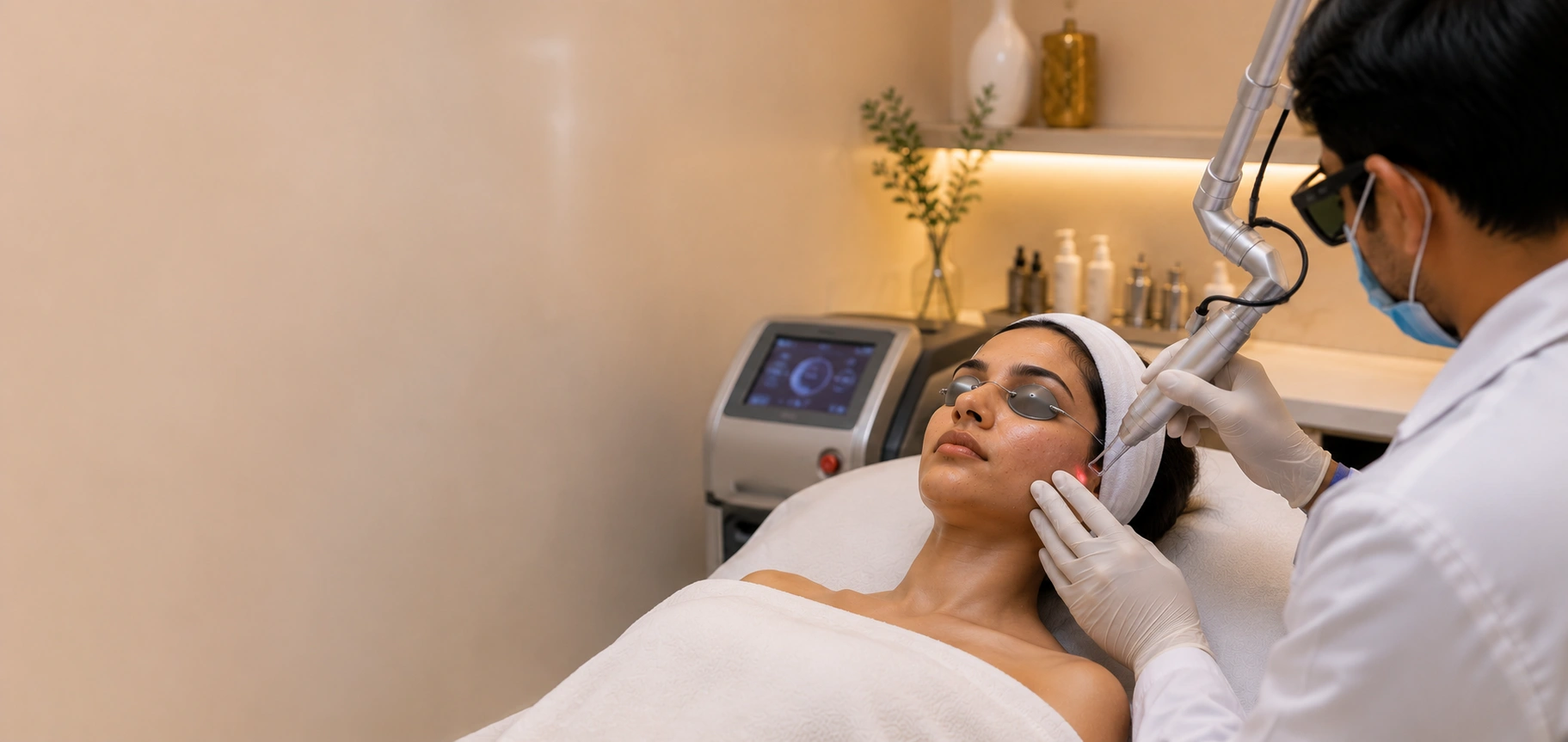
Dermatologist-guided wart removal in Udaipur for selected common, flat and plantar warts, with treatment chosen according to wart type, location, number and skin condition.

Diagnosis First

The lesion is assessed before any removal procedure

Dermatologist-Led Care

Treatment choice is based on wart type, site and patient factors

Multiple Treatment Options

Topical, freezing or procedure-based care may be considered

Follow-Up Guidance

Recurrence and wound-care advice are discussed after treatment

WART TREATMENT OPTIONS

Targeted Treatment for Different Types of Warts

Warts are caused by viral infection of the skin and can vary in appearance and location. Treatment is selected after confirming the diagnosis and ruling out look-alike lesions.

Common Wart Treatment

Raised rough warts on suitable areas may be treated with a method selected according to size, site and skin type.

Plantar Wart Care

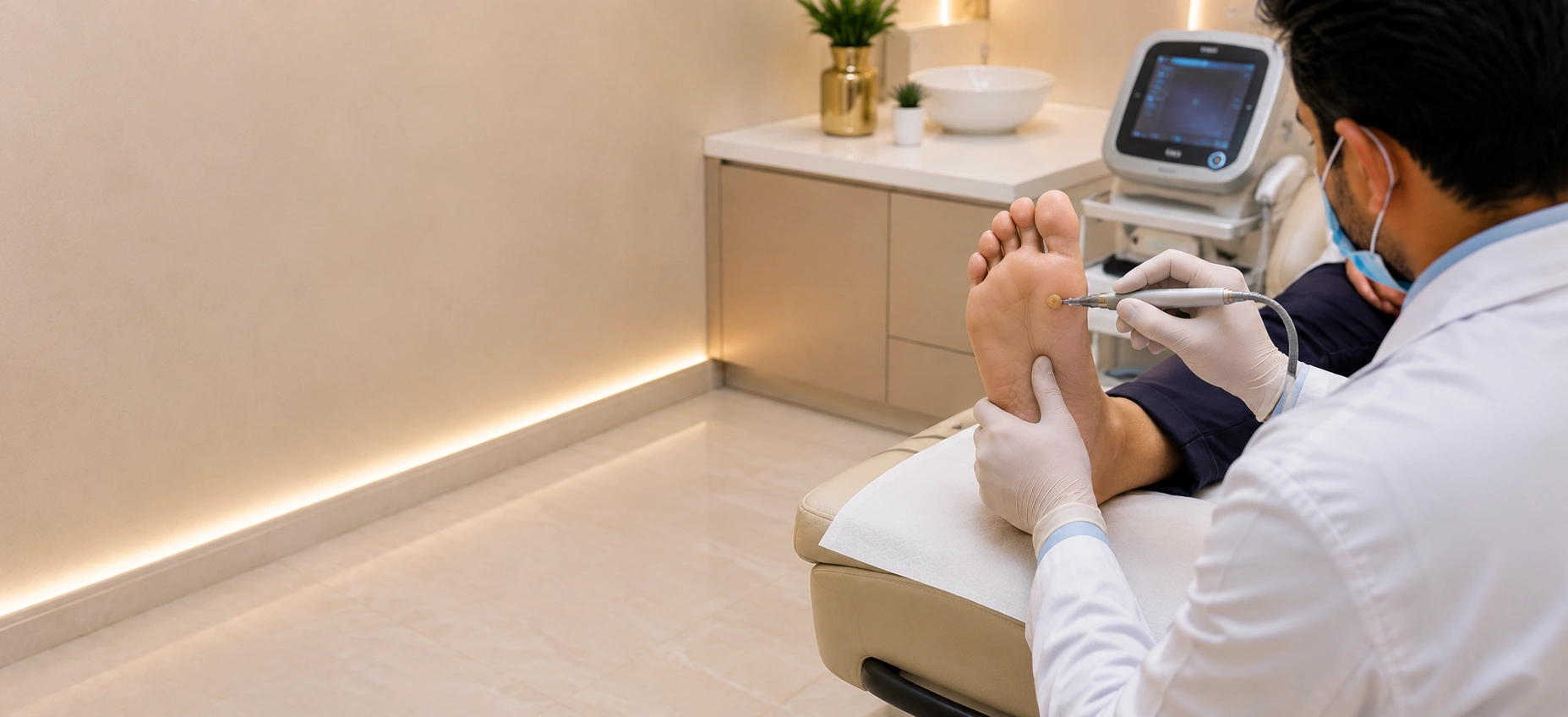
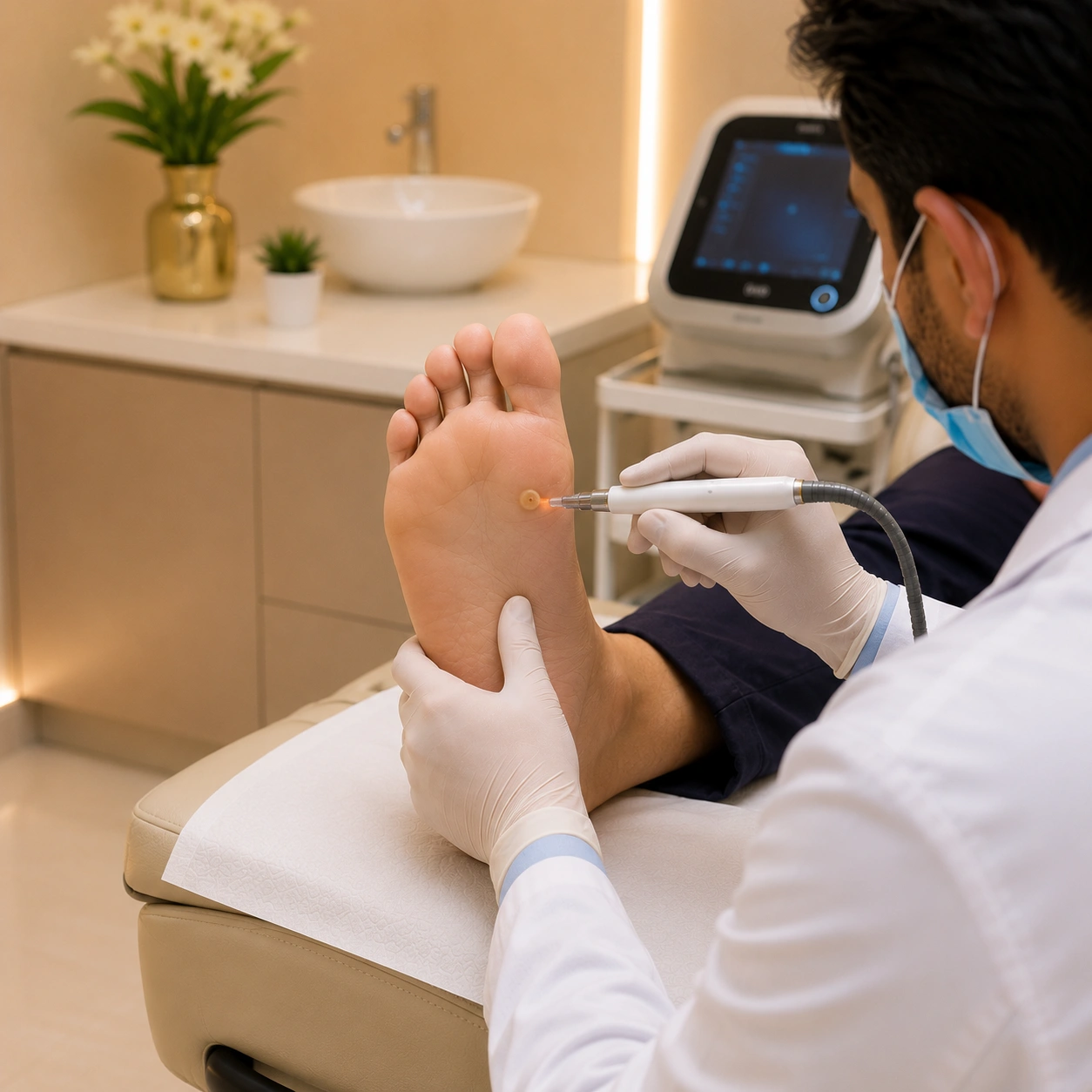
Warts on the sole can be painful and may need repeated treatment depending on depth and response.

Flat Wart Assessment

Multiple small flat lesions require careful diagnosis because treatment choice differs from thicker common warts.

Procedure-Based Removal

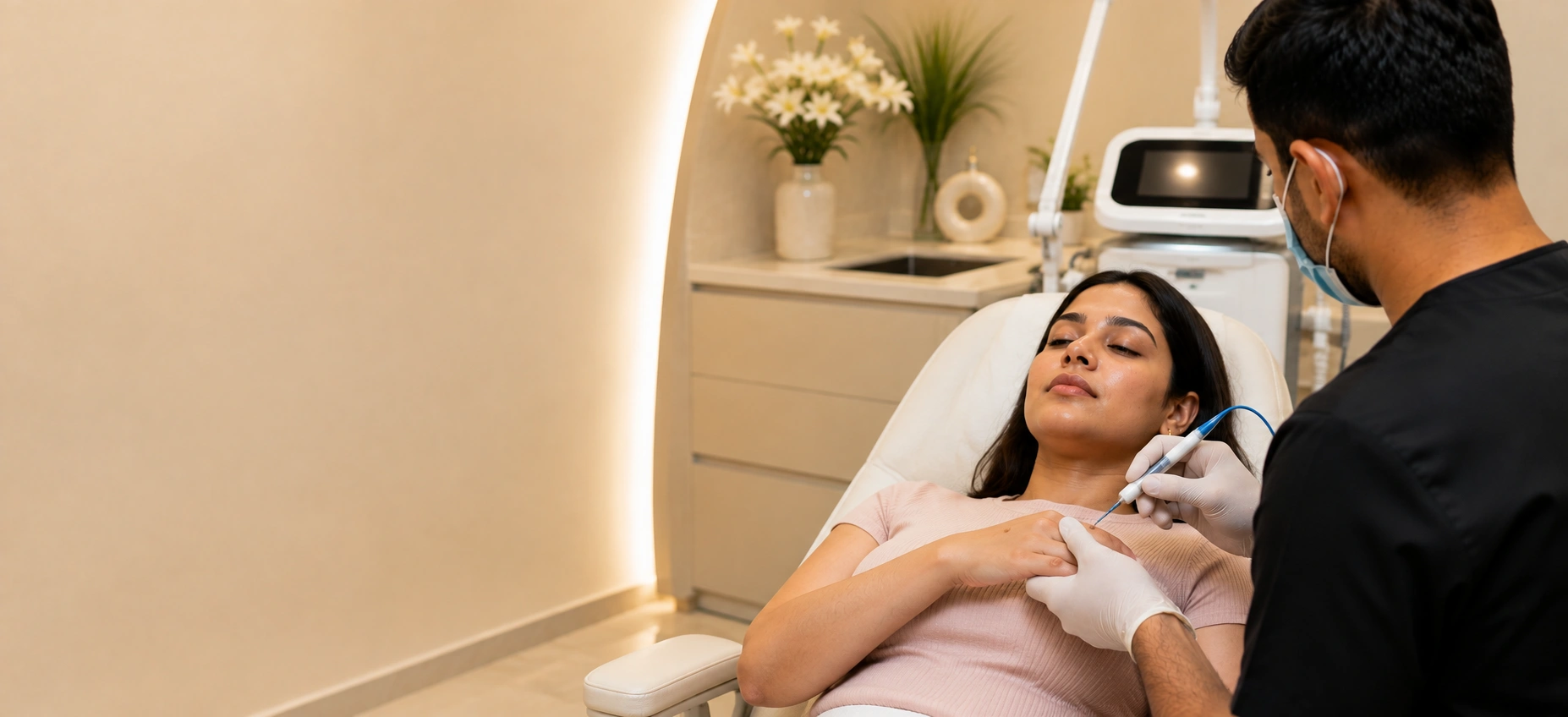
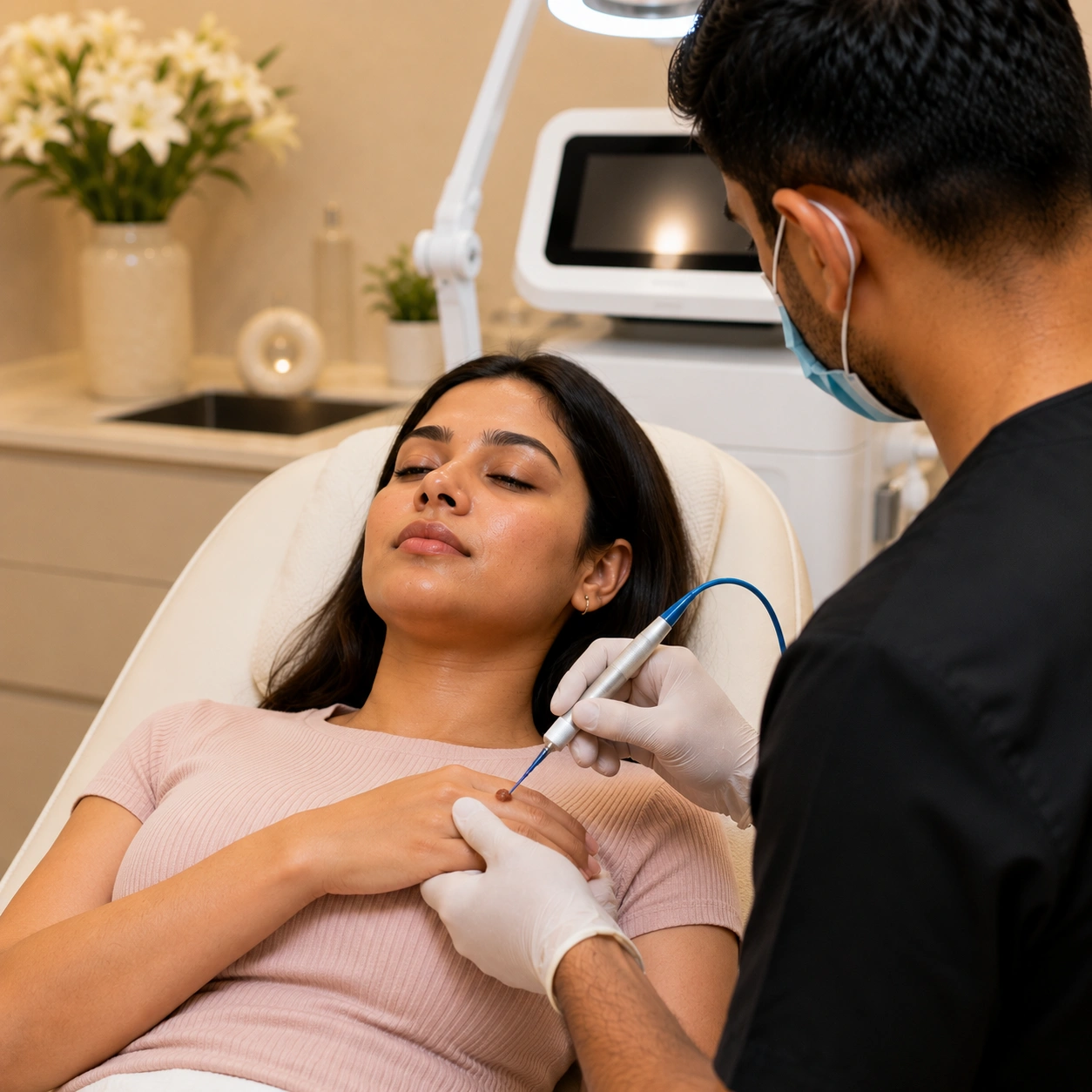
Cautery, cryotherapy or other office-based methods may be considered when clinically appropriate.

Recurrence & Follow-Up

Warts can recur or new lesions can appear, so follow-up may be needed even after visible clearance.

Doctor Consultation
0 :1
Structured Treatment Path
0 Steps
Individual Wart Plan
0
Aftercare Framework
0
WHY CHOOSE DERMADENT

Dermatologist-Guided Wart Removal in Udaipur

Lesion Assessment

Warts are differentiated from look-alike skin lesions

Clinical Hygiene

Structured preparation and procedure-area protocols

Site-Specific Planning

Treatment differs for hands, face, feet and other areas

Pain & Healing Planning

Procedure choice considers comfort, wound care and downtime

Individual Treatment Plan

Repeat treatment is planned according to wart response

Recurrence Support

Persistent or recurrent lesions can be reassessed

WART TREATMENT GALLERY

Assessment, Removal & Follow-Up Care

BEFORE TREATMENT

Correct Diagnosis Comes Before Removal

We assess the lesion’s appearance, location, number, duration, previous treatments, bleeding history and surrounding skin before deciding whether it is a wart and how it should be treated.

warts-removal-in-udaipur-for-desktop-use
Confirm the lesion is clinically consistent with a wart
Review size, thickness and number of lesions
Assess location, pain and bleeding history
Review previous wart treatments
Discuss expected healing and recurrence
SUITABILITY

Is Wart Removal Right for You?

Treatment may be considered for confirmed warts that are painful, spreading, recurrent, cosmetically bothersome or not improving with appropriate home treatment.

Painful or spreading confirmed warts
Warts that persist despite appropriate care
Cosmetically bothersome lesions in suitable areas
Patients able to follow wound-care instructions

A suspicious, bleeding, rapidly changing or uncertain lesion should be assessed carefully before any removal procedure is performed.

THE TREATMENT

How Wart Removal Is Planned

The treatment method is chosen according to wart type, thickness, site and patient factors. Options can include topical therapy, cryotherapy, cautery or other dermatologist-directed procedures.

WHAT TO EXPECT

Wart Removal Recovery & Follow-Up

Recovery depends on the treatment method and wart location. Temporary soreness, blistering, crusting or a small wound can occur, and repeat sessions may be needed.

Typical StageWhat You May Notice
Treatment dayThe wart is treated using the selected method.
First few daysSoreness, blistering, crusting or a small wound can occur depending on treatment.
Healing periodFollow wound-care instructions and avoid picking the area.
Follow-upPersistent or recurrent warts may need repeat treatment.
RECOVERY & AFTERCARE

Caring for the Treated Area

Keep the area clean and follow the wound-care instructions given for the treatment method used.

Keep the treated area clean and dry as advised
Do not pick blisters, crusts or healing skin
Avoid sharing towels, razors or nail tools
Return for review if the wart persists or recurs

Avoid picking the treated area, do not share personal items that contact the wart, and return for review if the lesion persists or unexpected symptoms develop.

REALISTIC EXPECTATIONS

Potential Benefits, Limits & Safety Considerations

Wart treatment can clear visible lesions, but recurrence is possible because the underlying viral infection may persist. Some warts require repeated treatment.

CategoryDetails
Potential benefits
  • Removal or reduction of visible wart tissue
  • Relief from pain or friction in selected locations
  • Clinical confirmation before treatment
Important considerations
  • Warts can recur after treatment
  • Repeat sessions may be required
  • Temporary pain, blistering, scarring or pigment change can occur
  • Uncertain or changing lesions need assessment before removal
FREQUENTLY ASKED QUESTIONS

Wart Removal FAQs

Warts are caused by infection with certain types of human papillomavirus (HPV) in the skin. They can spread to nearby skin or other people through contact.

Some warts can resolve without treatment, but painful, spreading, persistent or cosmetically bothersome warts may be treated after confirming the diagnosis.

Options can include topical medicines, cryotherapy, cautery or other procedures. The best choice depends on wart type, location, size and patient factors.

Yes. Visible wart tissue can clear while the viral infection or new exposure leads to recurrence or new lesions.

Any lesion that is uncertain, rapidly changing, repeatedly bleeding, unusually pigmented or not behaving like a typical wart should be assessed before removal.

KNOWLEDGE CENTER

Wart Care & Prevention Tips

VISIT DERMADENT

Wart Removal Consultation in Udaipur

Dermadent Clinic, Udaipur offers dermatologist-guided wart removal consultation and personalised treatment planning based on wart type, location, number, previous treatment and clinical suitability.