Pigmentation and Melasma: Causes, Treatment Options and Sun Protection
Uneven pigmentation is one of the most common dermatology concerns in Indian skin. It may appear as post-acne marks, sun spots, freckles, patchy facial pigmentation or melasma. Although these conditions can look similar, they have different causes and may respond differently to treatment. Melasma in particular is a chronic, relapsing pigmentation disorder that often affects the cheeks, forehead, upper lip and nose. It can improve substantially, but maintenance and sun protection are usually necessary.
For patients searching for pigmentation treatment in Udaipur or melasma treatment in Udaipur, diagnosis matters before choosing a cream, peel or laser. Aggressive treatment can worsen pigmentation in medium-to-deep skin tones, especially when inflammation or sun exposure is not controlled. A dermatologist can identify whether pigment is superficial, mixed or linked to another condition and then build a safer plan.
What Is Hyperpigmentation?
Hyperpigmentation means an area of skin has become darker because of increased melanin production or deposition. It can follow inflammation, UV exposure, hormonal changes, medications or skin injury. The depth and cause of pigment influence how quickly it can fade.
What Is Melasma?
Melasma causes symmetrical brown or grey-brown patches, commonly on sun-exposed areas of the face. It is influenced by genetics, ultraviolet radiation, visible light, heat and hormonal factors. Pregnancy and hormonal contraceptives can trigger or worsen melasma in some people, although men can also develop it.
Common Pigmentation Causes
| Type | Typical Trigger | Common Location |
|---|---|---|
| Post-inflammatory hyperpigmentation | Acne, eczema, burns, procedures | Anywhere inflammation occurred |
| Melasma | Sun, visible light, hormones, genetics | Cheeks, forehead, upper lip |
| Freckles | Genetics and sun exposure | Face and sun-exposed areas |
| Solar lentigines | Chronic UV exposure | Face, hands, shoulders |
| Medication-related pigmentation | Certain medicines | Pattern varies |
Why Indian Skin Is Prone to Dark Marks
Melanocytes in medium and deeper skin tones can respond strongly to inflammation. A pimple, burn, scratch or overly aggressive procedure may therefore leave a dark mark that lasts much longer than the original inflammation. This is why treating acne early and avoiding picking are important pigmentation-prevention strategies.
Sunscreen Is Foundational
Without daily sun protection, pigmentation treatment is less predictable. Broad-spectrum sunscreen with adequate UVA protection should be applied consistently. For melasma, tinted sunscreen containing iron oxides may provide additional visible-light protection.
Read our sunscreen guide for Indian skin for practical SPF and reapplication advice.
Topical Treatment Options
Dermatologists may use ingredients such as hydroquinone, azelaic acid, retinoids, kojic acid, tranexamic acid, vitamin C, cysteamine, niacinamide or combinations depending on the diagnosis. These ingredients differ in strength, evidence and irritation potential.
Hydroquinone can be effective for selected pigmentation but should not be used indefinitely without supervision. Overuse or misuse of strong lightening creams can lead to irritation or, rarely, paradoxical darkening such as ochronosis.
Triple Combination Creams
Some melasma treatment plans use a combination of hydroquinone, a retinoid and a mild corticosteroid for a defined period. These are prescription treatments and should not be used continuously as fairness creams. Prolonged unsupervised steroid use on the face can cause thinning, acne, visible blood vessels and rebound problems.
Azelaic Acid
Azelaic acid can help acne and post-inflammatory pigmentation and may be used in selected pregnancy-compatible skincare plans under professional guidance. It is generally well tolerated but can cause stinging or dryness when introduced too quickly.
Retinoids
Topical retinoids improve cell turnover and can support pigmentation treatment, acne control and texture. They commonly cause dryness and irritation initially. Retinoids require caution in pregnancy, so patients should disclose pregnancy or plans to conceive.
Chemical Peels
Superficial chemical peels can improve selected epidermal pigmentation and post-acne marks. Glycolic, mandelic, lactic and other acids may be used depending on skin type. Peels are usually adjuncts rather than permanent cures for melasma.
Read about chemical peel treatment in Udaipur.
Laser Toning and Pigmentation Lasers
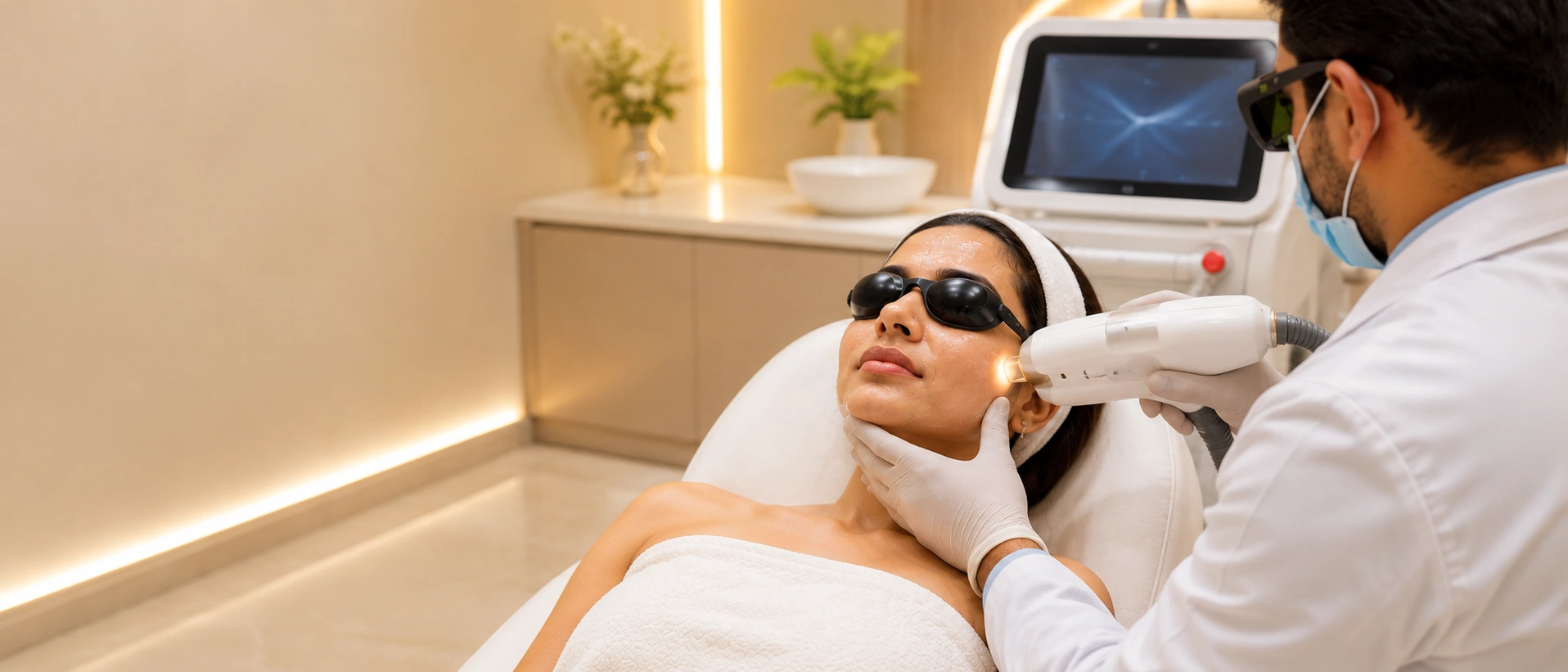
Lasers can target pigment in selected conditions, but melasma requires caution. Heat and inflammation may worsen melasma in susceptible skin. Low-fluence laser toning is used by some dermatologists, but repeated treatment without careful selection can cause mottled hypopigmentation or rebound pigmentation.
Laser should therefore not be presented as a permanent cure. Visit our laser toning in Udaipur page for general treatment information.
Carbon Peel and Other Procedures
Carbon laser peel treatments are often marketed for glow, pores and oiliness. They may create temporary cosmetic improvement but should not replace a structured melasma plan. Similarly, facials can hydrate skin but do not correct deeper pigmentation drivers.
Tranexamic Acid
Topical, intradermal and oral tranexamic acid have been studied for melasma. Oral use is not appropriate for everyone because of clotting-related risk factors and requires medical screening. It should never be self-prescribed simply because it is discussed online.
How Long Does Pigmentation Take to Improve?
Post-inflammatory marks can take weeks to months to fade. Melasma often requires several months of consistent treatment and long-term maintenance. Rapid aggressive lightening increases irritation and can make the problem worse. Progress should be assessed with standardized photographs rather than expecting daily visible change.
Why Melasma Comes Back
Melasma has persistent underlying triggers. Even after excellent improvement, sun exposure, heat, hormones and visible light can reactivate pigment. Maintenance sunscreen and selected topical agents are often needed after the initial treatment phase.
Common Pigmentation Mistakes
- Using steroid-containing fairness creams without medical supervision.
- Skipping sunscreen because the skin is indoors most of the day.
- Using multiple strong acids and retinoids together.
- Picking acne and expecting marks to fade quickly.
- Doing frequent aggressive peels or lasers.
- Changing treatment every week.
- Assuming every brown patch is melasma.
Can Home Remedies Remove Melasma?
Lemon juice, baking soda and other DIY acids can irritate or burn the skin and may worsen pigmentation. Turmeric, aloe or kitchen ingredients may feel soothing for some people but do not replace evidence-based treatment for persistent melasma.
Pregnancy and Melasma
Pregnancy-associated melasma may improve after delivery, but pigmentation can persist. Treatment choices during pregnancy are more limited, so sun protection becomes especially important. Pregnant patients should avoid self-starting retinoids or hydroquinone and should discuss safe options with a dermatologist.
When Pigmentation Needs Medical Assessment
See a dermatologist if pigmentation changes rapidly, appears in unusual patterns, follows a medication change, affects mucosal areas, or does not respond to reasonable skincare. A changing dark mole or irregular pigmented lesion should not be treated as cosmetic pigmentation without examination.
Reliable Dermatology Guidance
The American Academy of Dermatology recommends strict sun protection and individualized treatment for melasma. General information is available from the AAD melasma treatment guidance.
Frequently Asked Questions
Can melasma be permanently cured?
Melasma is usually considered chronic and relapsing. It can improve significantly, but maintenance is often needed.
Is laser the fastest treatment?
Not necessarily. Lasers can worsen pigment when poorly selected. Topical treatment and sun protection remain fundamental.
Can sunscreen alone remove pigmentation?
Sunscreen prevents further darkening and supports fading, but established pigmentation often needs additional treatment.
Why did my pigmentation worsen after a peel?
Post-inflammatory hyperpigmentation can occur when skin is irritated or sun exposure follows a procedure. Dermatologist review is recommended.
Pigmentation Treatment in Udaipur
Dermadent Clinic provides dermatologist-led evaluation and treatment for melasma, post-acne marks, freckles and uneven tone using topical therapy, chemical peels, laser toning and other selected procedures. The focus is controlled improvement with long-term pigment prevention rather than aggressive short-term lightening.
This article is for general education and does not replace personalised dermatology advice.